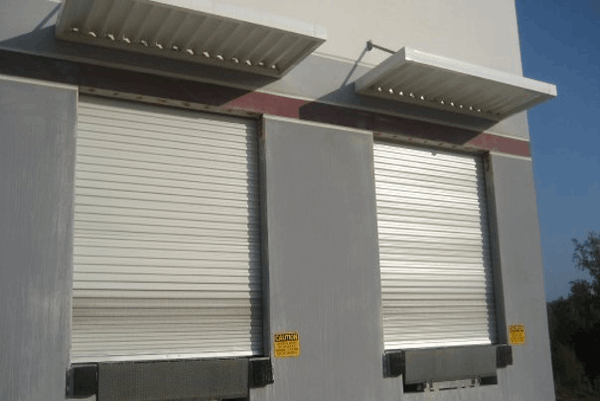
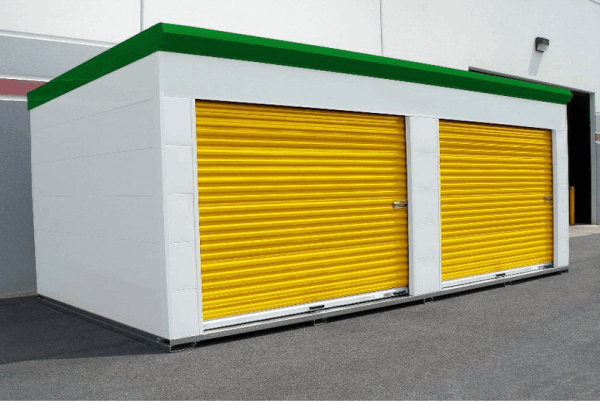
Roll-up doors are designed for dependable operation, but they're mechanical systems that experience wear every time they open and close.
In warehouses, workshops and commercial facilities, that can mean thousands of operating cycles over the life of a door.

Customers frequently begin a door search by asking:
"What is a standard roll-up door size?"
That's useful information, but there's a better question: What needs to pass through the opening?
The right door size depends on how the building will actually be used.
A warehouse door has a simple job: open and close. But choosing the wrong door can complicate an entire operation.
A door that's too small can restrict equipment. A poorly located opening can disrupt traffic flow. And a door that isn't designed for the required frequency of operation can become a maintenance problem.
In high-wind areas, selecting a garage or commercial door isn't simply about appearance. The door may need to meet specific structural requirements based on the building location, opening size and applicable building code.
This is especially important in hurricane-prone coastal areas.
A non-insulated steel roll-up door can be an economical and dependable solution for many storage and commercial applications. An insulated door may make more sense when temperature control, employee comfort or energy efficiency matters. Understanding the difference can help you avoid paying for features you don't need—or wishing later that you had upgraded.
Horton Stack Doors offer a unique bottom-track design that maximizes door opening height. Learn how Horton doors differ from standard roll up doors — available from Duro Doors.
Focus Keywords: Horton stack door, Horton door, bottom track door, Horton overhead door, alternative to roll up door
One of the most common and costly mistakes when ordering a steel roll up door is measuring the opening incorrectly. A door that's even a few inches off in width or height won't fit properly — and returning or exchanging large commercial doors is expensive and time-consuming. Here's how to measure correctly the first time.
In commercial construction and facility management, the overhead door is one of the hardest-working components in the building. It opens and closes hundreds of times per week, endures weather extremes, and bears the brunt of daily operational wear. Choosing the right door from the beginning — like an Amarr steel door — pays dividends for decades.
With so many commercial steel door options on the market — different brands, gauges, series, and configurations — choosing the right door for your building can feel overwhelming. This guide breaks down the key decisions so you can spec your doors with confidence.
If you've spent any time researching doors for a self storage facility, you've come across the name Janus International. There's a reason Janus roll up doors are the most widely specified door in the self storage industry — and it has everything to do with performance, durability, and lifecycle cost.